Why Contextual Relevance Trumps Domain Power in 2026

Establishing Authority for New Domains in 2026
The process of structure authority for a fresh domain has actually moved away from the volume-heavy techniques of the past. In 2026, search algorithms focus on the logical progression of a website's profile. This progression, typically called link speed, measures the rate at which brand-new pages discover and reference a site. For a domain without any history, a sudden influx of hundreds of links can look suspicious, often causing a period of invisibility in search results page. A stable, foreseeable boost in points out is the favored path for long-lasting stability.
Comprehending the existing environment needs looking at how expert system designs evaluate trust. These designs do not just count links. They evaluate the relationship between the referring site and the brand-new domain. If an organization offers specialized professional solutions in a particular region like the local market, the online search engine anticipates to see a trail of digital breadcrumbs. These may include local service listings, industry-specific directories, and points out in local news. This produces a structure that justifies faster development later.
Natural Development Patterns for Modern Web Properties
Success in modern search requires a deep commitment to Asia Virtual Solutions Links while keeping a steady speed of acquisition. A natural velocity curve normally mirrors the real development of a company. In the first few months, a new domain might gain five to ten links regular monthly. These are fundamental. They often originate from social profiles, business pc registries, and niche-specific aggregators. As the brand gets more acknowledgment, this number needs to increase in a linear or slightly rapid fashion.
Abrupt spikes in link acquisition are typically connected to particular occasions in 2026. If a company launches a substantial report or wins an award in the regional area, a spike is expected. Without such a trigger, an unexpected dive from 5 links a month to fifty appear like a manual attempt to manipulate rankings. Browse engines now cross-reference link velocity with social mentions and direct traffic. If a site gets numerous links however nobody is discussing it on social platforms or looking for the brand name, the links bring less weight.
Topical Authority and Internal Architecture
Before searching for external recognition, a domain needs to have its own house in order. Topical authority is developed by producing a cluster of associated material that covers a subject completely. In 2026, search engines use "entity-based" indexing. This suggests they attempt to understand if a website is a professional on a topic. If a site focuses on industry-specific topics, it should have several pages discussing different elements of that field. This internal strength makes external links more effective.
When a top quality site links to one page in a well-structured cluster, the authority flows through the entire group. This is a more efficient method to develop power than trying to get links for each single page. A domain that shows deep knowledge is more likely to make links naturally from scientists and other authors who need a reputable source. This organic discovery is the gold requirement for link speed because it is impossible to fake at scale.
Regional Relevance and Local Development in 2026
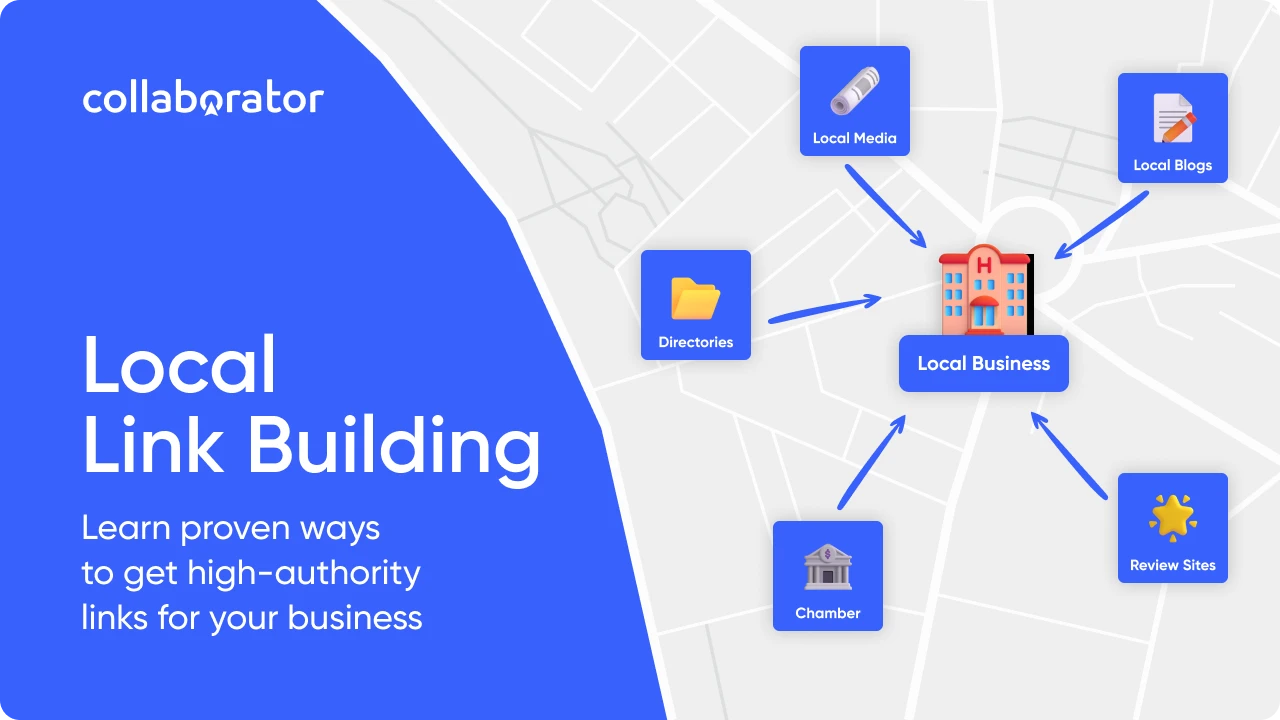
For services serving a specific area, the location of the linking site is just as essential as its quality. A brand-new domain targeting nearby communities need to focus on links from other entities in that very same geographic zone. This could include regional news sites, community blog sites, and even a sponsorship of a local occasion. These links inform the online search engine precisely where business matters.
The speed of regional link acquisition can be a little greater than international acquisition due to the fact that the pool of potential links is smaller and more focused. Search engines understand that a brand-new local preferred may get a sudden wave of attention from the neighborhood. If a new provider of local expertise opens in the region, a burst of local press is a normal signal of development. This geographic grounding assists protect the website from being flagged for unnatural patterns.
Digital PR as a Velocity Driver
One of the most efficient methods to increase link speed without looking spammy is through digital public relations. This involves producing something worth speaking about. It might be a study of consumers in the surrounding region or a study on patterns in the professional sector. When other sites point out these findings, they connect back to the initial source. Lots of experts are now prioritizing Asia Virtual Solutions Edu and Gov Links to make sure long-lasting presence for their new projects.
This technique produces premium links from wire service and educational institutions. Because these links originate from trusted sources, they offer an enormous increase to the domain's trust rating. In 2026, a single link from a major news outlet can be worth more than a hundred links from low-grade blog sites. These links frequently come in "bursts" that search engines acknowledge as the outcome of a successful PR project, making the speed spike appear genuine.
The Role of Material Quality in Link Retention
Link velocity is not practically getting new links. It is also about keeping them. In the past, lots of links disappeared due to the fact that they were put on low-grade pages that were ultimately erased or de-indexed. In 2026, the longevity of a link is a significant ranking factor. If a site gains links and then loses them quickly, it signifies that the material was not valuable or the links were acquired. This can lead to a "decay" rating that harms the domain's total standing.
To prevent this, the content on the new domain must be remarkable to what is already offered. If a website provides a better response to a concern about niche markets, other webmasters are most likely to keep that link active. Top quality material also encourages "passive" link structure. This happens when somebody finds a page through search and decides to reference it in their own work. Passive links are the most sustainable way to keep a healthy velocity over time.
Tracking and Adjusting Your Method
It is required to keep a close eye on the rate of growth. If the speed starts to drop, it might be time to produce a new piece of "link bait" content or connect to industry partners. If the velocity is too expensive, it might be smart to decrease and concentrate on internal enhancements for a while. The goal is a consistent upward trend that reflects a growing, healthy brand. Tools that track "referring domains" over time are necessary for this monitoring.
Search engines in 2026 are also searching for a variety of link types. A natural profile includes "do-follow" links, "no-follow" links, and even plain text points out that do not connect at all. All these signals contribute to the brand's footprint. If 100% of the links are "do-follow" with exact-match anchor text, it is a clear sign of manipulation. A mix of brand names, URLs, and generic expressions as anchors is the most reliable method to remain under the radar of automated filters.
Future-Proofing Domain Authority
As we move through 2026, the line between SEO and traditional brand building continues to blur. A domain that is mentioned by genuine people on real sites will always carry out better than one that counts on technical loopholes. The focus should constantly be on the end user. If a link helps a user discover helpful details, it is a good link. If it exists only to move a needle in a ranking tool, its worth will eventually disappear as search engines improve at determining intent.
Constructing a brand-new domain is a marathon. The first year has to do with developing the identity of the site and its significance to particular subjects and locations like the immediate area. By focusing on a natural link velocity, a website avoids the typical risks that trap lots of brand-new services. Consistency, quality, and a focus on regional authority are the keys to enduring and thriving in the 2026 search environment. A domain developed on these concepts will discover itself well-positioned for any future changes in how search engines examine the web.