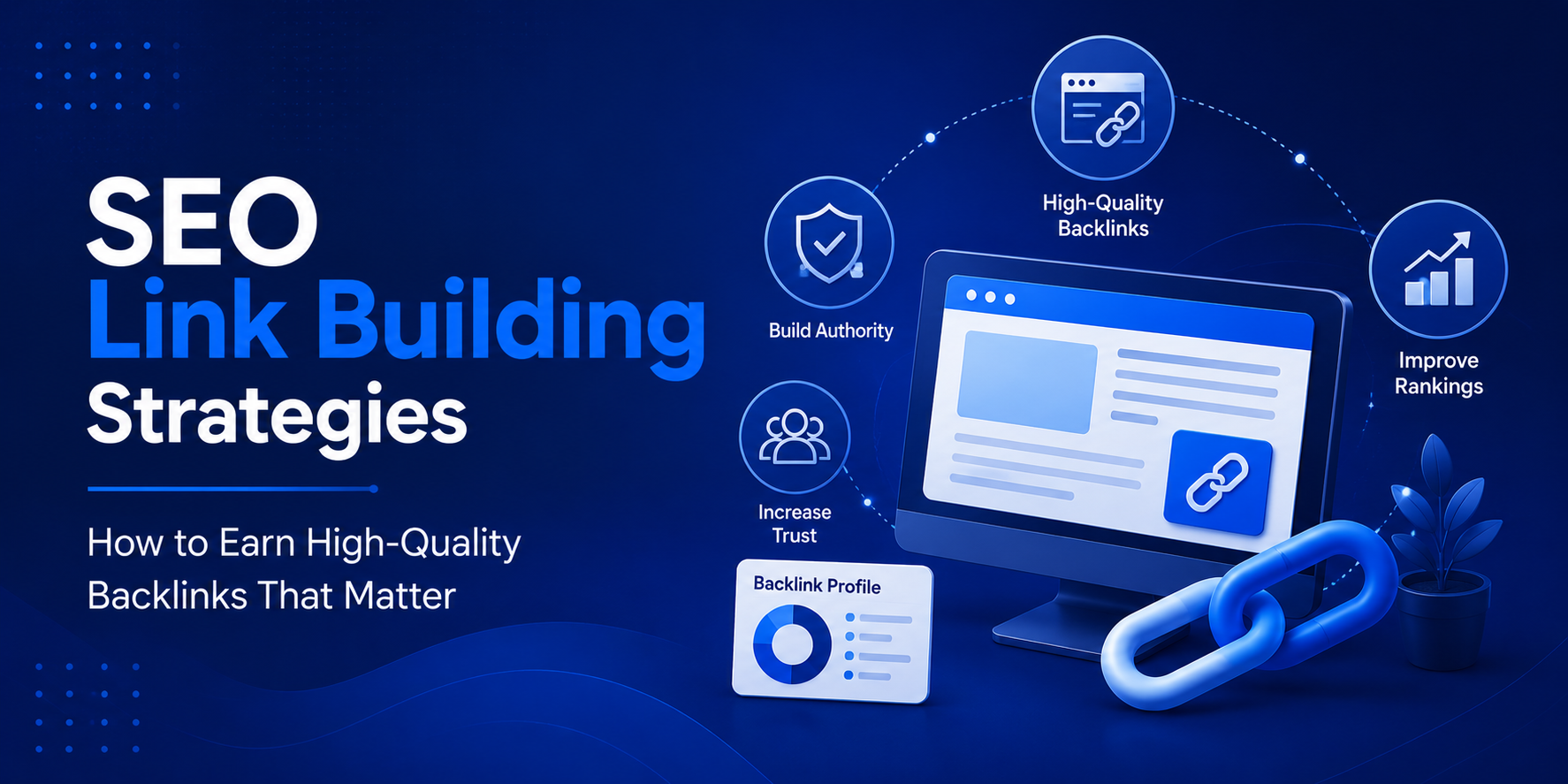
Why 2026 Is the Year of Semantic Link Importance

Modern Authority Architectures in digital growth centers
The year 2026 has actually presented a rigorous set of requirements for search visibility. Gone are the days when easy backlink counts determined a site's position in search results. Today, the focus has shifted toward structural stability and the security of link profiles. Authority building architectures now depend on a multi-layered method that focuses on safety over sheer volume. These systems are designed to imitate natural growth while insulating the main site from possible algorithmic penalties. By comprehending how these tiers communicate, experts can keep a consistent trajectory in highly competitive spaces.
Online search engine in 2026 use sophisticated pattern recognition to determine inorganic development. This has actually required a modification in how secondary and tertiary links are handled. Rather of pointing everything at a single page, modern methods use a buffer system. This buffer, or "Tier 1," includes top quality assets that have their own established trust. When these properties are supported by lower-tier links, the threat is dispersed across the architecture instead of focused on the target website. This circulation is the cornerstone of security in modern digital marketing.
The Advancement of Tiered Structures in 2026
The layers of a tiered strategy function like the foundation of a structure. Each level supports the one above it, adding stability and weight. In the present year, Tier 1 links are limited to high-authority placements that use real traffic and topical relevance. These are the "powerhouse" links that directly affect ranking. Since they are so near to the main site, they need to be perfect. Any association with low-quality or spammy environments at this level can activate an instant manual evaluation.
Success in Asia Virtual Solutions Building needs a deep understanding of these connections. The objective is to produce a web of trust where every link looks intentional and earned. This is where Tier 2 enters play. Tier 2 links indicate the Tier 1 links, not the primary site. This setup enables for a bit more versatility in the types of sources utilized. While Tier 1 must be beautiful, Tier 2 can consist of niche-specific directories, premium social signals, and contextual blog site points out. This middle layer serves to increase the authority of the Tier 1 links, making them a lot more effective in the eyes of search crawlers.
Managing Footprints and Recognition Procedures
A footprint is any pattern that exposes a website becomes part of a coordinated link-building effort. In 2026, search algorithms search for similar hosting providers, integrated publishing times, and comparable anchor text ratios across various websites. Security protocols now mandate a stringent diversification of these elements. Each layer of the architecture should ideally exist on various IP blocks and utilize diverse material management systems. This avoids a single failure from collapsing the whole structure.
Content uniqueness is another crucial safety factor. AI-driven search filters can now detect recycled material with near-perfect precision. To remain safe, every tier must have initial, contextually pertinent text. Even Tier 3 links, which are the furthest from the primary website, need to offer some level of worth. If Tier 3 includes gibberish or auto-spun text, it sends an unfavorable signal up the chain. High-level strategies in the local market now involve human-edited content even at the most affordable tiers to make sure the pattern looks organic.
Tier 1: The Direct Authority Layer
This layer is the most visible and for that reason brings the most run the risk of. In 2026, Tier 1 is defined by high-authority guest posts, digital PR points out, and editorial links from respectable news outlets. These links should pertain to the target page. If a site about commercial machinery gets a link from a style blog, it raises a red flag. Significance is the new currency of trust. The focus is on finding sources that already have a substantial following in the very same market as the target website.
The speed of link acquisition need to be carefully monitored. A sudden influx of Tier 1 links can look suspicious if the website has not previously shown that level of development. Safety protocols dictate a progressive increase in link numbers, following a natural curve. This technique assists in maintaining a clean profile over the long term. By pacing the acquisition, the site appears to be gaining popularity naturally rather than through a synthetic project.
The Function of Traffic Signals in Safety
A link that nobody ever clicks on deserves less in 2026 than it was in previous years. Online search engine now look at click-through rates and user behavior as part of their authority assessment. A safe tiered structure consists of links that actually produce referral traffic. When users click from a Tier 2 site to a Tier 1 site, and then ultimately to the main site, it verifies the whole chain. This user flow is perhaps the greatest signal of credibility available today.
To achieve this, Tier 1 and Tier 2 content must be engaging. It ought to fix a problem or supply details that makes the reader wish to click. This is a substantial shift from the old "surprise link" strategies. Now, the links are placed plainly within useful material. This openness is a key part of modern security requirements, as it aligns the interests of the search engine, the user, and the website owner.
Tier 2 and Tier 3: The Assistance Architecture
While Tier 1 links are the cutting edge, Tier 2 and Tier 3 links provide the hidden strength. Tier 2 links are used to "power up" the Tier 1 pages. If a premium visitor post links to the primary website, sending fifty Tier 2 links to that visitor post increases its perceived significance. This indirectly passes more authority to the main site without the main website ever being straight associated with the Tier 2 sources. This separation is the heart of the security protocol.
Tier 3 links are the furthest away. These often consist of forum posts, social bookmarks, and profile links. In 2026, these are used sparingly. Their main function is to assist Tier 2 links get indexed faster. If an online search engine spider finds a Tier 2 link through a Tier 3 reference, it follows the path upward. The volume of Tier 3 need to not be so high that it produces a huge spike in the total backlink count for the Tier 2 pages. Balance is necessary to keep the entire structure looking natural.
Anchor Text Circulation in the current year
Among the most typical ways websites get penalized is through over-optimized anchor text. If every link indicating a website uses the same keyword, it is a clear sign of control. In 2026, safety procedures need a varied mix of top quality, generic, and long-tail anchor text. Most of links ought to use the brand or URL, with only a little portion using exact-match keywords.
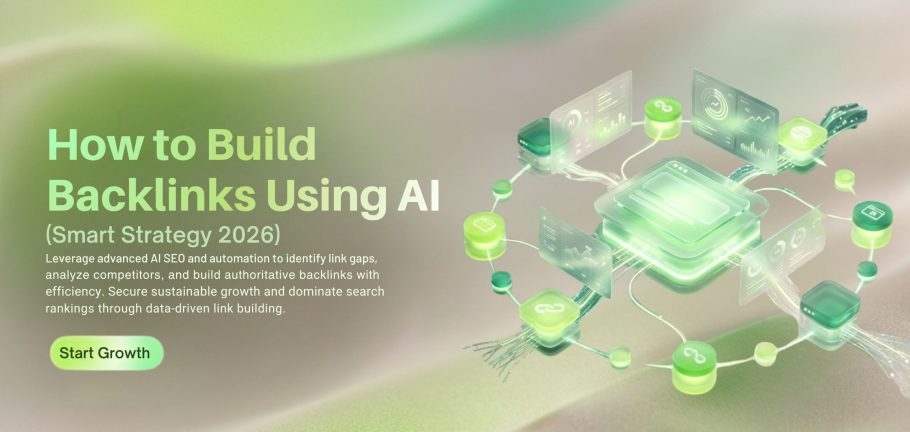
Expanding the focus on Asia Virtual Solutions Building requires a technique where keywords are incorporated into sentences naturally. Rather of "best red widgets," a safe anchor might be "this detailed guide on widget production." This range makes the link profile look like it was created by lots of various individuals with different composing styles. Browse engines reward this absence of uniformity with greater trust ratings.
Threat Mitigation and Long-Term Stability
Staying safe in the 2026 search environment needs consistent monitoring. A link that was safe six months ago may end up being a liability if the hosting site changes hands or starts hosting low-quality content. Regular audits of the whole tiered architecture are essential. If a Tier 2 site begins showing indications of being a "link farm," it should be detached from the Tier 1 asset to avoid the rot from spreading out up. This proactive management is what separates effective architectures from those that stop working throughout updates.
Diversification of platforms is likewise important. Relying exclusively on WordPress websites or a particular niche of directories is risky. A safe profile consists of a mix of CMS types, static HTML pages, and numerous social networks platforms. This heterogeneity makes it impossible for an algorithm to discover a common technical footprint throughout the tiers. In growing tech hubs, designers often use custom scripts or less common platforms to host their assistance tiers simply to guarantee they stand apart as special entities.
Future-Proofing Authority Architectures
As we move through 2026, the integration of semantic search and entity-based ranking continues to grow. Link structure is no longer practically passing "juice," it has to do with developing a site as an authority within a specific understanding graph. Every tier should contribute to this topical authority. By linking to other trustworthy sources (not just the target website) within the tiered content, you help the online search engine comprehend where your site fits in the broader web of info.
This holistic view of authority building is the supreme security procedure. When a site is surrounded by top quality material, pertinent associations, and genuine user traffic, it ends up being much more difficult for an algorithm to find fault with it. The objective is to construct a structure so strong and so helpful that the search engine would be doing its users a disservice by not ranking it. By following these protocols, any professional growth initiative can accomplish enduring lead to the intricate world of modern search.